
Relay Theft: How to Prevent Keyless Car Theft
While keyless car entry provides considerable convenience, it also increases the likelihood of your vehicle being accessed by someone else. One of the best ways to avoid being part of this rising incident trend is to know what measures you can take to deter relay car theft.
In this guide, we provide tips on ways to be mindful and prepared for potential scenarios. Read on to unlock methods to upgrade your vehicle from being vulnerable to vaulted.
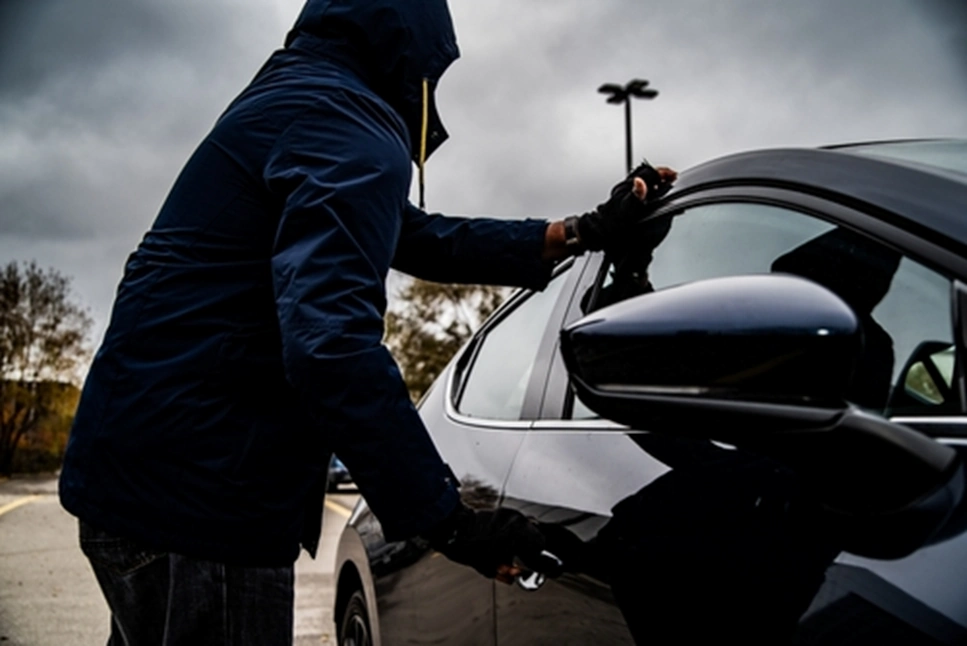
What is Keyless Car Theft and How Does It Work?
Keyless car theft, also referred to as a relay attack or relay car theft, is a method thieves use to steal vehicles with keyless entry systems. Criminals use signal amplifiers and transmitters to capture the signal from a nearby key fob, even if it’s inside your home. They then relay this signal to the car, tricking it into unlocking and starting as if the real key were present.
How Relay Attacks Differ From Traditional Car Theft
A relay car theft differs from traditional car theft because they don’t require physical access to the keys or forced entry. Instead of breaking windows or hotwiring, thieves use electronic devices to mimic the key fob signal. This method is fast, silent, and often leaves no visible signs of theft, making it harder to detect or prove.
Why Keyless Cars Are Vulnerable to Relay Theft
Keyless cars are vulnerable to relay theft because their systems run ongoing passive searches for a signal from the key fob. Thieves exploit this by capturing and extending the signal, even from inside your home or pocket. Since the car believes the real key is nearby, it unlocks and starts without any resistance.
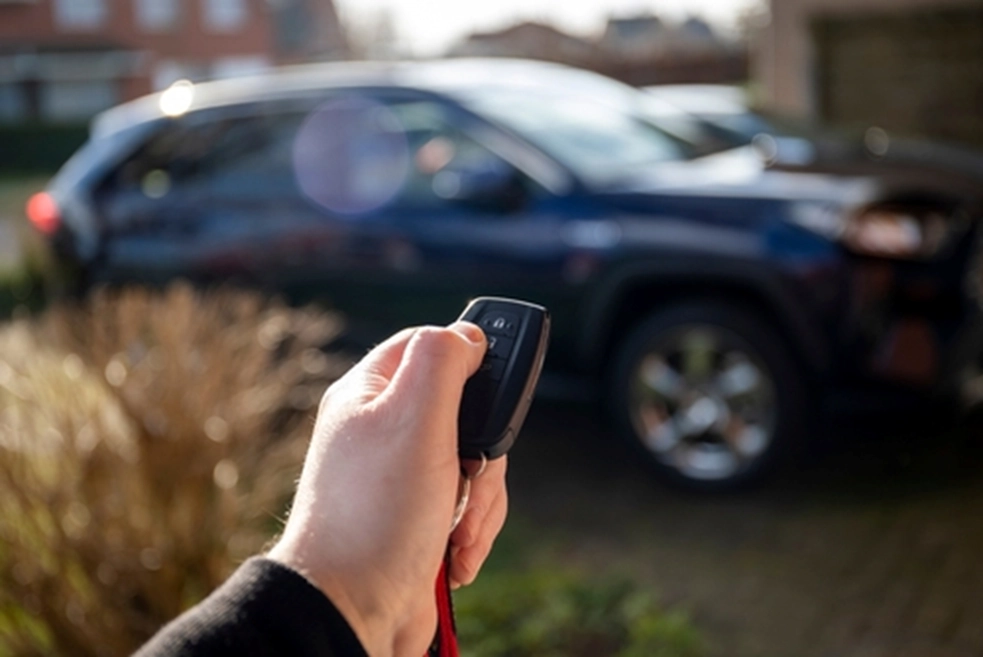
Most Common Car Brands Targeted In Relay Attacks
The most common car brands targeted in relay attacks are typically high-end or popular models with keyless entry systems.
In the UK, brands such as Ford, BMW, Mercedes-Benz, Range Rover and Volkswagen are frequently affected. These vehicles are often chosen for their resale value and ease of access using relay technology.
How to Prevent Keyless Car Theft
If you have ever wondered about how to prevent car theft, we recommend starting by using these three car theft prevention tips:
1. Store your key fob in a signal-blocking pouch or Faraday box to block unauthorised signals.
2. Always lock your car manually with the key fob button, even if it locks automatically.
3. Consider installing extra security measures and using the best anti theft devices like steering wheel locks, immobilisers, or a car alarm for added protection.
Use Faraday Pouches and Signal-Blocking Cases
Faraday bags or Faraday pouches and signal-blocking cases are designed to stop your key fob from emitting a signal that thieves can capture. These technologically-savvy accessories are lined with metallic materials to block radio frequency signals, making it much harder for criminals to carry out a relay car theft. Always store your key fob inside it when it’s not in use, especially at home or overnight.
Add Steering Wheel Locks and Aftermarket Alarms
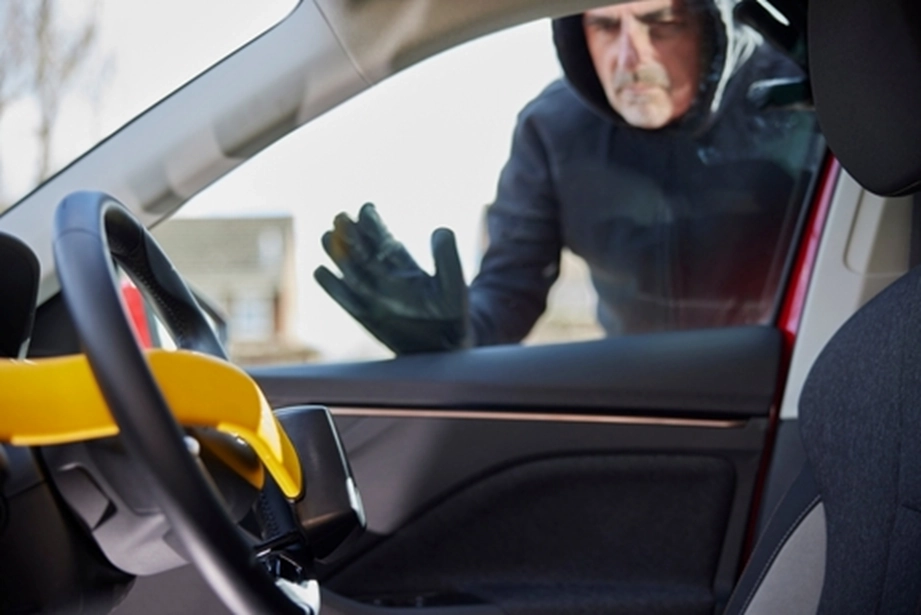
Steering wheel locks provide a visible and physical deterrent, making it more challenging for thieves to drive away, even if they gain access to your vehicle. They act as a strong visual cue that the car is protected, often discouraging opportunistic theft. Adding aftermarket alarms or ghost immobilisers enhances your vehicle’s security by alerting you and others nearby to suspicious activity and preventing the engine from starting without proper authentication.
Park Away From Public Roads or in Secure Garages
Where you park plays a key role in protecting your keyless car from theft. Parking in a secure garage or private driveway makes it more difficult for thieves to get close enough to carry out a relay attack. If a garage isn’t available, choose well-lit areas or spaces with CCTV coverage to deter criminal activity.
Turn Off Keyless Entry When Possible
One of the perks of modern vehicles that have keyless access is the built-in option to disable keyless entry features through the car’s settings or the key fob itself. Turning off this function when it’s not needed reduces the risk of your signal being intercepted. Check your vehicle manual or contact the manufacturer to see if this option is available for your model.
What To Do If You Suspect a Relay Theft Attempt
If you notice signs that someone may have attempted a relay car theft, such as unexplained unlocking, missing items, or strange activity caught on security cameras – it’s important to act quickly. Report the incident to the police and provide any available evidence, including CCTV footage or witness accounts. You should also inform your insurance provider and consider upgrading your vehicle’s security to prevent future attempts.
Replace and Reprogram Your Key Fob to Invalidate Stolen Keys
In the case that your key fob was stolen or the signal was tampered with, you can have a car key replacement as well as reprogram the key. When a key is stolen or compromised in the case of relay theft or cloning, most manufacturers and auto locksmiths can:
- Delete the stolen key from the vehicle’s system.
- Reset the car key programming via the onboard computer to accept only new or authorised key fobs.
- Provide a replacement fobwith a new, secure signal.
These steps ensure that even if a thief tries to use the old key or a cloned version, the vehicle won’t respond. To do this, contact your vehicle’s main dealer or a certified automotive locksmith[2] who specialises in your make and model. It’s also wise to update any related immobiliser or alarm settings at the same time.
Will Insurance Cover Keyless Car Theft?
In the case of keyless car theft, most comprehensive car insurance policies in the UK do cover keyless car theft, including relay attacks, provided there is no evidence of negligence. This means your insurer is likely to pay out if the incident was carried out using signal-cloning technology, as long as you took reasonable steps to secure your vehicle. However, if your key was left in or near the car or if you failed to follow recommended security measures, your claim could be reduced or rejected.
Tip: Always check your policy details and speak with your insurer to understand the coverage and any specific conditions.
Install a Vehicle Tracker for Faster Recovery
If your car is stolen, having a GPS vehicle tracking system can significantly increase the chances of recovering it quickly. These devices allow you and law enforcement to monitor the car’s location in real-time, even after it’s been taken. Many insurers also offer discounts for vehicles fitted with Thatcham-approved tracking systems, making them a smart investment for both keyless entry security and peace of mind.
FAQs
What is keyless theft?
Keyless theft or ‘relay theft’ refers to a method criminals use to steal vehicles without needing physical access to the car key. Using a pair of signal-boosting devices, thieves intercept and relay the wireless signal from your key fob to manipulate the car into unlocking and starting. It can happen in seconds, without breaking a window or sounding an alarm, making it a fast and quiet method of vehicle theft.
How to stop relay attack car theft?
To stop a relay attack car theft, block your key fob’s signal when it’s not in use. Criminals use relay devices to extend the signal from your key fob and gain access to your car. The most effective solution is to store your keys in a Faraday pouch or signal-blocking wallet, which prevents the signal from being intercepted.
What is an anti-theft relay?
An anti-theft relay is a security device or system feature designed to prevent keyless car theft, particularly relay attacks. It’s often a relay switch or circuit modification that disables your vehicle’s keyless entry system when the car is not in use and blocks thieves from hijacking the signal. Some modern keyless entry vehicles come with built-in relay-blocking technology, while aftermarket anti-theft relays can be installed to manually or automatically disconnect the keyless system, reducing the risk of electronic signal theft.
Which cars are vulnerable to relay theft?
Cars with keyless entry and push-start ignition systems are most vulnerable to relay theft. This includes many modern models from targeted vehicle brands such as BMW, Audi, Ford, Mercedes-Benz, Toyota, Volkswagen, and Land Rover. The risk is particularly high if the vehicle allows the key fob to remain continuously active, making it easier for criminals to intercept and extend the signal.
Does insurance cover it?
Yes, most comprehensive car insurance policies in the UK cover relay theft as it is considered a form of vehicle theft. However, if your keys were within range of entry points or no additional security measures were used, your insurance claim could be reduced or denied. To ensure full coverage, review your policy details and consider using Faraday pouches, steering locks, and vehicle trackers to support that you acted to prevent theft.
Share
